Ultimate 48 Hours Guide in Washington, D.C.

💡 This post might contain affiliate links. If you use any of these links to buy a product, I will earn a small commission at no additional cost to you. Read my full disclosure for more details.
|Updated on December 12, 2025|
Think Washington, D.C. is all museums and monuments? That’s exactly what I thought—until I visited. What started as a short trip to see a friend and take care of a few personal things quickly turned into an unexpected first-time experience that completely changed my view of the city.
Washington, D.C., the capital of the United States, is packed with history, culture, iconic landmarks, and surprisingly vibrant neighborhoods.
This Ultimate 48 Hours Guide in Washington, D.C. shows you the best things to do in Washington, D.C. in two days, from must-see attractions to walkable areas and memorable experiences.
Must-See Attractions in Washington, D.C
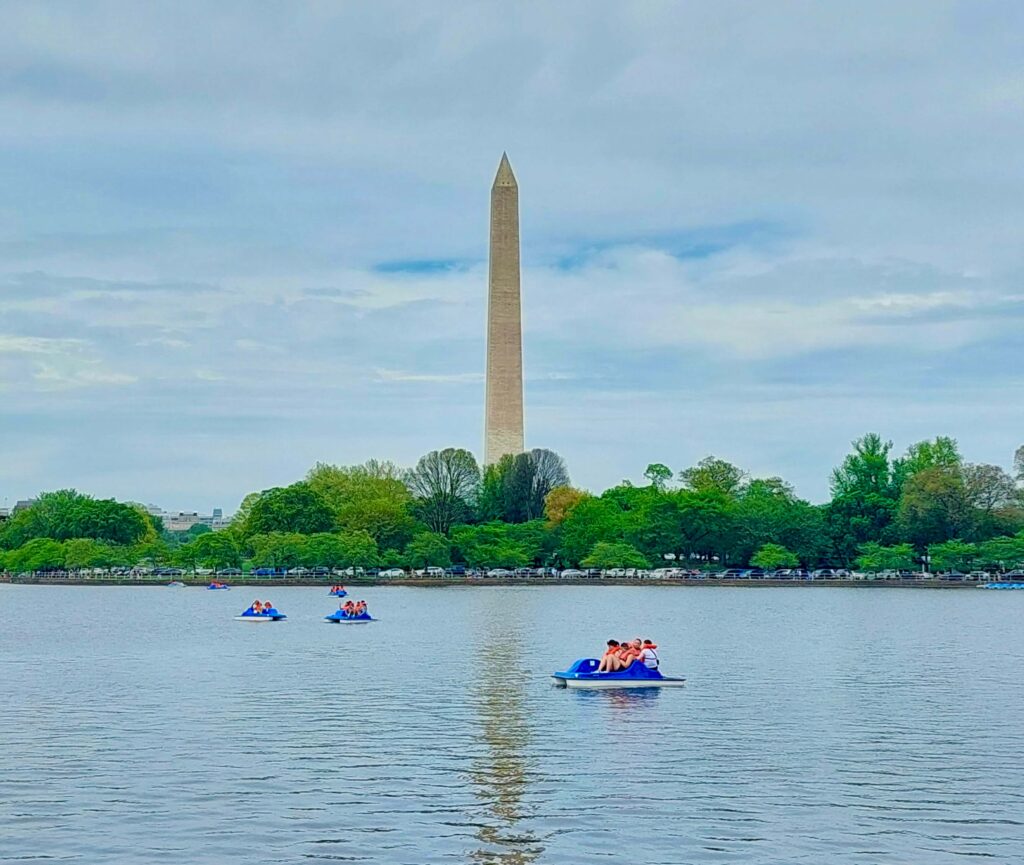
Planning your 48-hour itinerary for Washington, D.C. can be quite a task, given the city’s multitude of historical, cultural, and entertainment options. However, with a bit of smart planning, you can make the most out of your stay. Here’s a recommended 2-day itinerary to cover some key highlights.
Day 1: Monuments, Landmarks, and Georgetown

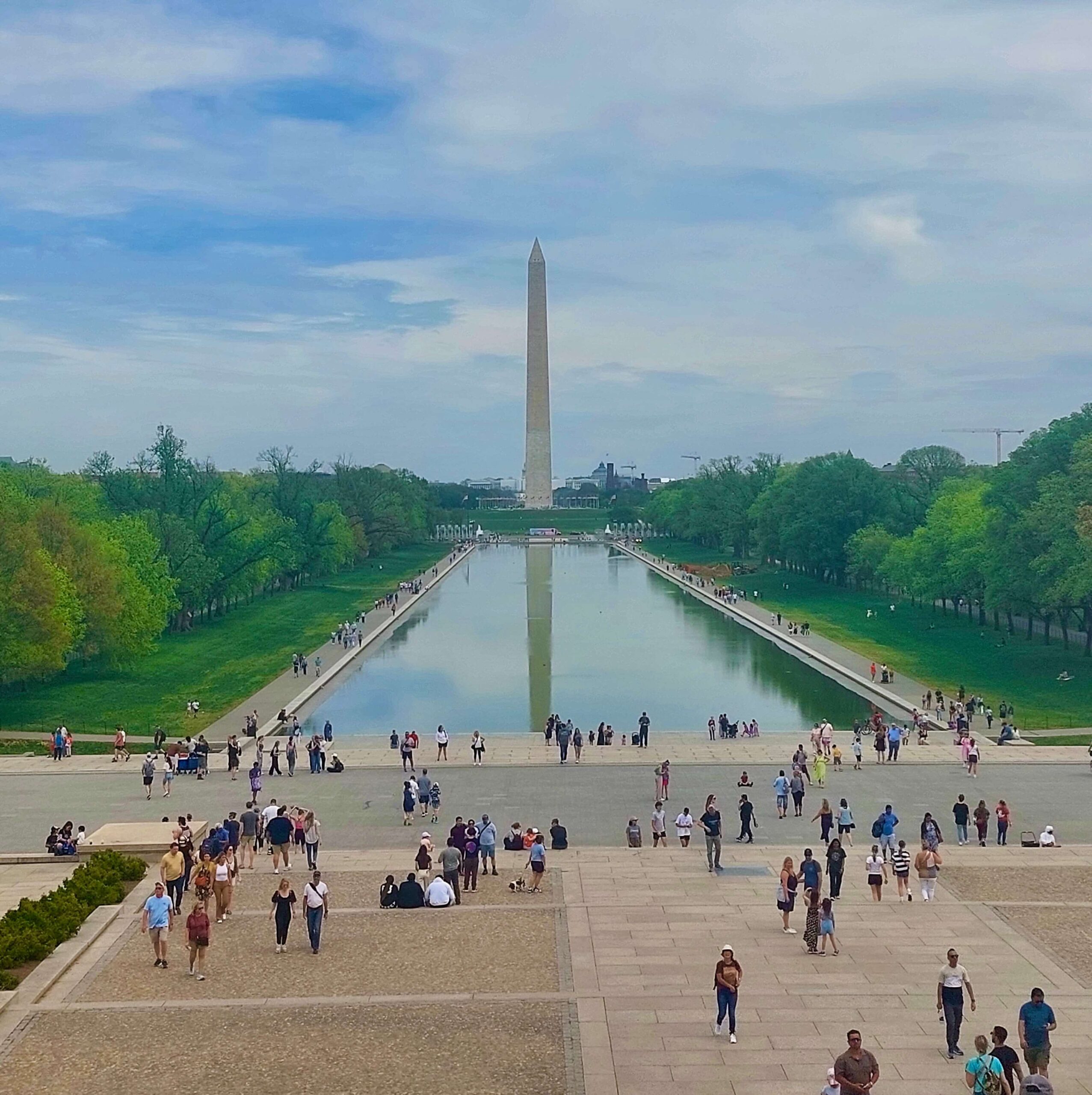
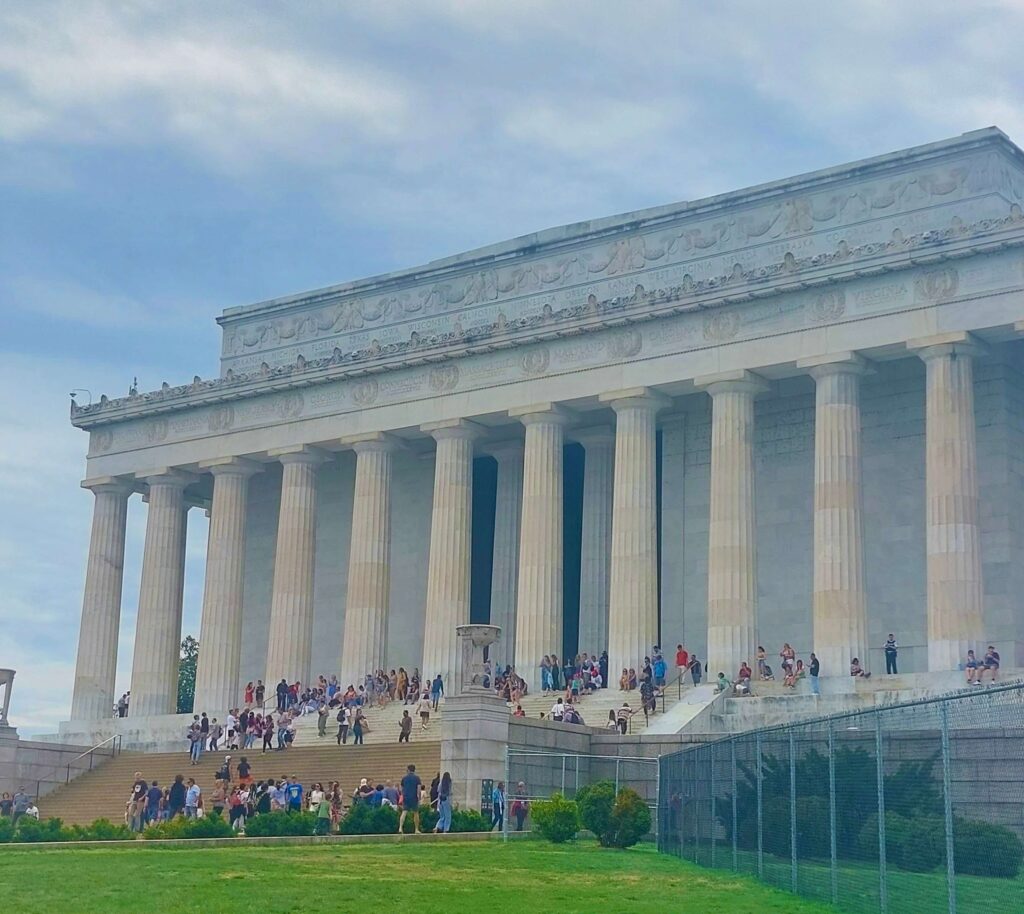
Morning. Start your day at the National Mall, one of the best places to experience Washington, D.C. Walk from the U.S. Capitol toward the Washington Monument, stopping at key memorials along the way. The walk from the Capitol to the Lincoln Memorial takes about 20 minutes and includes some of the city’s most iconic views.
Afternoon. Head north toward the White House (about a 10-minute walk from the Mall) and explore the surrounding area. If you want to include one museum, choose just one nearby—either the National Museum of American History or the National Museum of Natural History—both are easy to fit in without taking over your day. Afterward, grab lunch at a nearby café or food hall.
Evening. Spend the evening in Georgetown, one of D.C.’s most charming neighborhoods. Walk along the waterfront, explore the cobblestone streets, and enjoy dinner at one of the many restaurants. Georgetown is about a 20–25 minute walk or a short drive from the National Mall.
Day 2: Neighborhoods, Local Life, and Evening Entertainment
Morning. Start the day with a relaxed walk through Capitol Hill or Dupont Circle, known for historic buildings, leafy streets, and local cafés. If museums interest you, this is a good time to visit one major Smithsonian, such as the National Air and Space Museum or the National Museum of African American History and Culture, but keep it short and focused.
Afternoon. Take a short Metro ride to the U Street Corridor, a lively area filled with restaurants, music history, and street art. Walk around, have lunch, and visit the African American Civil War Memorial. From there, continue to Dupont Circle, where you can browse small shops, relax in the park, or explore nearby neighborhoods.
Evening. Wrap up your trip with a memorable evening. Catch a performance at the Kennedy Center, or head to Adams Morgan or The Wharf for dinner and nightlife. These areas offer a great mix of atmosphere, food, and local energy.
Staying a little bit longer? Take a trip to New York.
Getting Around Washington D.C.?
During your 48 hours in Washington, D.C., getting around the city efficiently and comfortably is a top priority. Fortunately, this city is full of transportation options to suit various travel styles and budgets.
Metrorail and Metrobus. Washington’s Metrorail and Metrobus systems are the most economical ways to get around. Keep in mind to purchase a SmarTrip card, a rechargeable ticket used for all trips.
Capital Bikeshare. For those who prefer a more active and scenic mode of transport, the Capital Bikeshare program is an excellent choice. With more than 500 stations throughout the city and its suburbs, this service allows you to pick up a bike from one location and return it to any other bike station.
Taxis and Rideshares. Taxis and rideshares like Uber and Lyft are abundant throughout the city. These can be an efficient choice, especially if you’re traveling in a group or have limited time.
Walk. Many of D.C.’s major attractions, especially around the National Mall and Downtown, are within walking distance of each other. Exploring the city on foot is not only healthy, but it also allows you to stumble upon hidden gems in Washington, D.C.
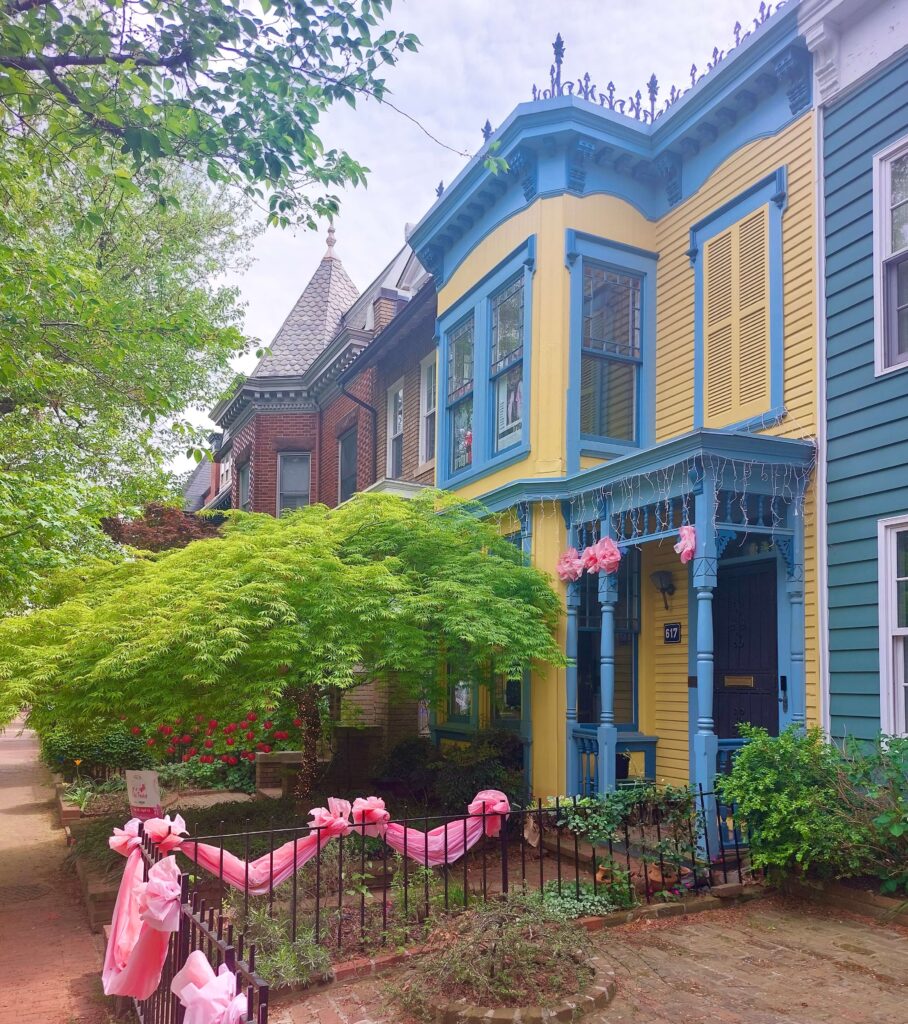
Walking in this city in the Spring is amazing as everything is blooming and smells so good. I wanted to take so many pictures of every tree and flower as they were blooming so beautifully.
Driving. Renting a car is an option, but bear in mind that parking can be challenging and expensive in the city. If you plan to focus your 48 hours in Washington, D.C., within the city limits, public transportation or rideshares might be more convenient.
Choosing the right mode of transportation can greatly enhance your 2-day sightseeing itinerary for the Washington, D.C. experience, making it easy for you to navigate the city and enjoy all the incredible sights it has to offer.
Best Places to Stay in Washington, D.C.
Whether you’re splurging on a luxury suite or saving with a hostel bunk, this Ultimate 48 Hours Guide in Washington, D.C. will help you find the best accommodation to fit your budget and style, making your stay comfortable and enjoyable.
Hiroad Hostel ($80 per night). For the ultra-budget-conscious, this friendly hostel is located in the heart of D.C., close to major attractions. It offers both private rooms and dormitory-style accommodations.
Moxy Washington, D.C. Downtown ($123 per night). This hip, boutique hotel in the city center offers modern rooms and a lively bar, making it a great choice for younger travelers. Your stay in Washington will be that much more pleasant if you choose this accommodation for your city break!
Homewood Suites by Hilton Washington, D.C. Downtown ($153 per night). This all-suite hotel provides spacious accommodations and includes amenities such as a kitchen and a living area, making it a good option for families or longer stays.
Where to Eat in Washington, D.C.
When spending 48 hours in Washington, D.C., one of the highlights of your trip will undoubtedly be exploring the city’s vibrant culinary scene. Whether you’re a fan of international cuisine, a lover of traditional American dishes, or a passionate foodie in search of the next hot spot, D.C. has a variety of choices to suit every palate.
Here are some of the best places to eat in Washington, D.C. in 48 hours.
Breakfast
Un Je Ne Sais Quoi. Kick off your 48 hours in Washington, D.C., with a visit to this quaint French bakery. The croissants and coffee here are a perfect way to start your day.
Ted’s Bulletin. For a more hearty breakfast, try this local chain known for its homemade Pop-Tarts and all-day breakfast menu.
Lunch
Le Diplomate. Enjoy a midday break in this vibrant French brasserie. Whether it’s the steak frites or the Nicoise salad, you’re in for a gastronomic delight.
Eastern Market. For those who prefer a more relaxed, picnic-style lunch, head over to this historic food market in Capitol Hill. You can select from a range of fresh produce, local cheeses, and baked goods.
Dinner
Rasika. After a day of sightseeing, there’s no better way to end the day than by indulging in some of the best Indian food the city has to offer at this highly acclaimed restaurant.
Farmers, Fishers, Bakers. For a waterfront dining experience, this farmer-owned restaurant in Georgetown offers a diverse menu with sustainable, regionally sourced options.
Spending your time in this city is a unique gastronomic journey, where every meal offers an opportunity to taste a piece of what this diverse city has to offer. Enjoy your food tour of D.C.!
Budget for 48 Hours in Washington, D.C.
Washington, D.C., can be surprisingly affordable if you plan. Many major attractions are free, and daily costs can stay reasonable depending on where you eat and how you get around. Below is a realistic breakdown of typical travel expenses to help you plan your budget. *Prices are estimates and may vary by season.
Safety Tips for 48 Hours in Washington, D.C.

Washington, D.C. is generally safe for visitors, especially in central and tourist-heavy areas. Still, basic city awareness goes a long way.
Stay aware of your surroundings: Pay attention in crowded areas, on public transport, and around major attractions.
Stick to well-lit areas at night: Avoid unfamiliar or quiet streets late at night and plan routes in advance.
Use trusted transportation: Rely on the Metro, Uber, Lyft, or licensed taxis—especially after dark.
Watch your belongings: Pickpocketing can happen in busy areas, so keep bags zipped and valuables close.
Know the emergency number: In the U.S., dial 911 for police, fire, or medical emergencies.
Stay hydrated: Summers can be hot and humid, especially when walking outdoors for long periods.
By using common sense and planning ahead, you can focus on exploring Washington, D.C. comfortably and confidently.
Washington D.C. FAQ
Is Washington, D.C., expensive to visit?
Washington, D.C., can be affordable if you plan well. Many top attractions, including the Smithsonian museums and monuments, are free. Food and hotels vary, with budget options available outside peak seasons.
What is the best time to visit Washington, D.C.?
The best time to visit Washington, D.C. is spring (March–May) and fall (September–October), when the weather is mild and the city is at its most scenic.
How many days do you need in Washington, D.C.?
Most visitors need 3–4 days to see the main attractions without rushing.
Is Washington, D.C., safe for tourists?
Yes, Washington, D.C. is generally safe for tourists, especially in central areas like the National Mall. As in any large city, stay aware of your surroundings and avoid poorly lit areas at night.
What is the best way to get around Washington, D.C.?
The Metro is the easiest way to get around Washington, D.C. It’s clean, affordable, and connects major attractions. Walking is also very popular, especially around the National Mall.
Final Thoughts
Washington, D.C. is a city with a lot to offer, even on a short trip. Between historic landmarks, walkable neighborhoods, and a strong food scene, it’s easy to fill two days without feeling rushed.
This 48-hour Washington, D.C. itinerary covers the main highlights and gives you a solid introduction to the city. While two days isn’t enough to see everything, it’s more than enough to understand the layout and decide what you’d want to explore next.
Pin it for later

Travel Resources & Accommodation
- Find the best flight deals on Skyscanner and Kiwi
- Book travel packages on Expedia
- Book hostels worldwide on Hostelworld
- Book hotels worldwide on Hotels.com
- Discover and book affordable tours on GetYourGuide