The Ultimate Travel Guide to Romania

💡 This post might contain affiliate links. If you use any of these links to buy a product, I will earn a small commission at no additional cost to you. Read my full disclosure for more details.
|Updated on December 5, 2025|
Romania is one of Europe’s most underrated destinations. Beyond the Dracula legends, this country offers colorful medieval towns, dramatic mountains, beautiful seaside resorts, and a culture full of history and tradition. The best part? It’s incredibly affordable compared to other European countries.
Whether you’re here for castles, road trips, nature, or charming old towns, Romania has something for every type of traveler. This Romania travel guide gives you everything you need to plan your trip. How to get around, what to see, where to stay, and how much it all costs. Let’s dive in.
Things to Do in Romania
Romania is a country brimming with cultural heritage and natural beauty. This region of Eastern Europe offers a wide range of attractions for tourists. Here are some of the top things that you should do while you are in Romania!
1. Explore the Legendary Castles
No travel to Romania would be complete without the exploration of the historical castles.
Bran Castle
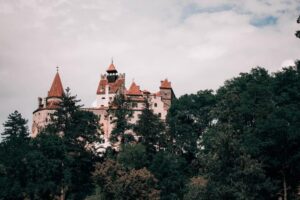
Located near Brasov, Bran Castle is often associated with the legendary figure of Count Dracula, thanks to its Gothic appearance and ties to Bram Stoker’s novel. Explore the castle’s intriguing architecture, visit the rooms filled with art, and learn about the folklore surrounding the castle.
Peles Castle
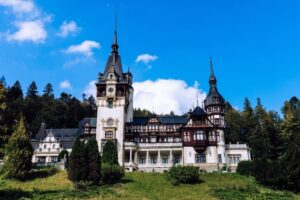
Nestled in the Carpathian Mountains in Sinaia, Peles Castle is a masterpiece of German Neo-Renaissance architecture. Built as a summer residence for the Romanian royal family, the castle features opulent interiors and stunning gardens.
Corvin Castle
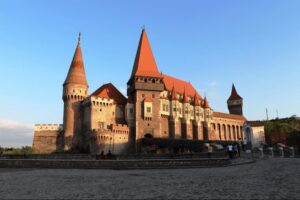
Corvin Castle, also known as Hunyadi Castle, is a medieval fortress located in Hunedoara. With its imposing towers, drawbridge, and Gothic architecture, the castle is a captivating sight. Furthermore, explore its courtyards, climb its towers, and delve into its rich history as you wander through its chambers.
Pelisor Castle
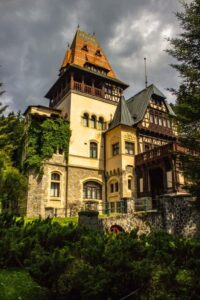
Adjacent to Peles Castle in Sinaia, Pelisor Castle is a smaller royal residence with an Art Nouveau style. It was built for King Ferdinand I of Romania and his wife, Queen Marie. Explore its exquisite interiors, which feature a blend of Art Nouveau, Art Deco, and traditional Romanian elements.
2. Wander Through Historic Towns
Romania is dotted with historic towns that have preserved their unique charm and architectural heritage. Exploring these towns should be on your travel list to Romania. They allow you to step back in time and immerse yourself in their rich history.
- Sighisoara
Located in Transylvania, Sighisoara is a UNESCO World Heritage town and one of the best-preserved medieval cities in Europe. Walk its cobblestone streets, see the colorful houses, and visit the Clock Tower and Vlad the Impaler’s birthplace. It’s a true hidden gem, and you’ll need at least a day to explore it.
- Brasov
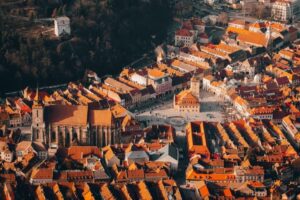
Situated at the foot of the Carpathian Mountains, Brașov is a picturesque town with a beautifully preserved medieval center. Visit the Council Square with its pastel buildings, explore the Black Church, and stop by the stunning Mănăstirea Sfântul Ioan Iacob Românul. You can also walk along the old medieval walls for panoramic views. Bran Castle is nearby and easy to reach from Brașov.
- Sibiu
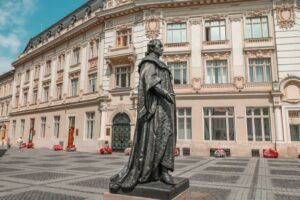
Sibiu, the former European Capital of Culture, is a charming town in the region of Transylvania. Its historic center, known as the Old Town, boasts well-preserved medieval architecture. Explore the Grand Square, visit the Brukenthal National Museum, and wander through the Passage of Stairs to discover hidden courtyards.
Look for guesthouses and boutique hotels like Hotel Continental Forum ($82 per night) or Cetatea Medievala hotel ($81 per night).
- Cluj-Napoca
As a vibrant university city, Cluj-Napoca offers a mix of historic and modern attractions. Visit Union Square, which features the iconic St. Michael’s Church and the Banffy Palace. Explore the Cluj-Napoca Botanical Garden and the Tailors’ Bastion, and don’t miss the Matthias Corvinus House, a medieval history museum.
- Timisoara
Known as the birthplace of the 1989 Romanian Revolution, Timisoara is a city with a rich history. Explore Union Square with its impressive Orthodox Cathedral, visit the Metropolitan Cathedral, and stroll along the Bega River. Timisoara also has numerous museums and a bustling nightlife.
- Cisnadioara
If you want a countryside experience close to Sibiu, consider staying in the village of Cisnadioara. You’ll find guesthouses and traditional accommodations like Pensiunea Maria ($50 per night) or Casa Mosului ($63 per night), but check in advance because these accommodations are often fully booked.
3. Immerse Yourself in Nature
Romania’s natural beauty is unbelievable: majestic mountains, peaceful forests, and wide open landscapes that feel completely untouched. If you want to connect with nature, you’ll find endless places to explore.
- Hike in the Carpathian Mountains!
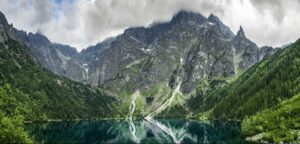
The Carpathian Mountains shape much of Romania’s landscape and are a major highlight for nature lovers.
- Retezat National Park
A beautiful area filled with glacial lakes, valleys, and alpine meadows. It’s great for hiking and wildlife spotting, with trails for all levels.
- Bucegi Mountains
A popular hiking region known for its panoramic views. Take a cable car from Bușteni or Sinaia to reach the plateau and see the Sphinx and Babele rock formations.
- Danube Delta
The Danube Delta, a UNESCO World Heritage Site, is a unique and biodiverse ecosystem. Take a boat tour through the labyrinth of channels, lakes, and marshes to observe the diverse wildlife. The Delta is a paradise for birdwatchers and nature enthusiasts, and it surely deserves to be mentioned in our travel guide to Romania!
- Transfagarasan Highway
The Transfagarasan Highway is a spectacular mountain road that winds through the Fagaras Mountains, offering breathtaking views and stunning landscapes. Drive or cycle along this scenic route, passing by glacial lakes, waterfalls, and the iconic Balea Lake. Transfagarasan Highway deserves its place in this travel guide to Romania, as it is an intense experience to have!
- Romanian Seaside
Romania’s Black Sea coast may be lesser known, but it offers sandy beaches, lively resorts, and plenty of activities.
Mamaia is the most popular beach destination, famous for its long shoreline, beach clubs, water sports, and vibrant nightlife.
4. Experience Traditional Village Life
Romania’s true charm lies in the traditional village life. Step back in time and visit the traditional villages of Maramures, where wooden churches, unique wooden gates, and well-preserved traditions are still part of everyday life. Witness the Mocanita steam train in Viseu de Sus, which takes you through picturesque landscapes and authentic rural communities in this part of Romania.
5. Enjoy Outdoor Activities
Embark on a cycling adventure through the Transylvanian countryside, discovering hidden villages and rolling hills. Experience adrenaline-filled activities like paragliding, rock climbing, and caving in the Apuseni Mountains. Some claim that the mountains are the best in Romania, and you can’t miss this part of the country! Go horseback riding in the beautiful landscapes of Bucovina or the Danube Delta.
6. Attend Festivals and Events
How Much Does the Trip to Romania Cost
Here’s a budget plan (the approximate cost)for your travel guide to Romania with price ranges to give you an idea of the potential costs involved. Please note that these prices are approximate and can vary depending on the season, location, and personal preferences.
Safety Tips in Romania
While Romania is a very safe country for tourists, it’s always a good idea to take precautions. Here are some safety tips to keep in mind for your trip to Romania
Stay Informed
Before your trip, research the areas you plan to visit and stay updated on the current situation in Romania. Check travel advisories issued by your country’s embassy or consulate for any specific safety concerns or recommendations.
Take Care of Your Belongings
Keep your personal belongings secure at all times, especially in crowded areas, public transportation, and tourist attractions. Use a money belt or a secure bag to carry your valuables, and avoid displaying expensive items or large sums of cash.
Be Cautious of Scams
Like any tourist destination, Romania has its share of scams targeting tourists. Be wary of people offering unsolicited help, overcharging for goods or services, or engaging in distractions to steal your belongings. Use licensed taxis or reputable ridesharing services, and always confirm the fare before getting in.
Use Reliable Transportation
Stick to licensed taxis or reputable ridesharing services when using transportation. If you opt for public transportation, be mindful of your belongings and stay alert, especially during peak hours.
Stay in Well-Lit and Populated Areas
When exploring cities, especially at night, stick to well-lit and populated areas. Avoid poorly lit or deserted streets, particularly in unfamiliar neighborhoods.
Use Reputable Accommodations
Choose accommodations from reputable sources and consider reading reviews from previous guests. It’s advisable to stay in well-reviewed hotels, guesthouses, or hostels to ensure a comfortable and safe stay.
Stay Updated on Local Transportation Strikes or Protests
Stay informed about any planned strikes or protests that may impact public transportation or disrupt normal activities. These events can cause delays or alter travel plans, so it’s important to be aware of any potential disruptions.
Be Cautious With Nightlife Activities
If you plan to enjoy the nightlife in larger cities, be cautious of your alcohol consumption and always stay aware of your surroundings. Avoid accepting drinks from strangers, and ensure you have a safe way to return to your accommodation.
Romania FAQ
Is Romania safe for solo travelers?
Yes, Romania is very safe for solo travelers. Normal precautions apply, especially at night or in crowded tourist areas.
Do I need a car to explore Romania?
Not necessarily. Trains and buses connect most major cities, but renting a car gives you more flexibility, especially for rural areas and the Transfăgărășan.
What is the best month to visit Romania?
May–June and September–October offer great weather, fewer crowds, and beautiful scenery.
Is English widely spoken?
In big cities and tourist areas, yes. In small towns, not as much — but people are friendly and helpful.
How many days do I need in Romania?
5–7 days is ideal for Bucharest + Transylvania. For mountains, countryside, and the seaside, 10–14 days is perfect.
Final Thoughts
Romania is one of those places that surprises you in the best way possible. It’s affordable, incredibly diverse, and packed with history, castles, mountains, medieval towns, and amazing food. Whether you’re exploring Bucharest’s lively streets, hiking in the Carpathians, or wandering the colorful old towns of Transylvania, every part of Romania feels different and worth experiencing.
This itinerary gives you a perfect balance of culture, nature, and iconic landmarks without rushing through the country. Take your time, enjoy the views, talk to locals, and let Romania unfold at its own pace. It’s a destination that truly stays with you long after you return home.
|Written by Irina Tracy, who lives in Romania and knows all about this beautiful country|
Pin it for later
Travel Resources & Accommodation
- Find the best flight deals on Skyscanner and Kiwi
- Book travel packages on Expedia
- Book hostels worldwide on Hostelworld
- Book hotels worldwide on Hotels.com
- Discover and book affordable tours on GetYourGuide