Ultimate 24 Hours Rome Itinerary as a Solo Female Traveler

💡 This post might contain affiliate links. If you use any of these links to buy a product, I will earn a small commission at no additional cost to you. Read my full disclosure for more details.
|Updated on December 11, 2025|
Only have 24 hours in Rome? Don’t worry, you can still see a lot. Rome is easy to explore on foot, full of history on every corner, and surprisingly comfortable for solo female travelers. With friendly locals, busy streets, and endless places to wander, you’ll feel confident getting around on your own.
This quick guide focuses on budget-friendly tips, the best things to see in one day, and simple ways to navigate Rome without stress. Whether you’re spending 24 or 48 hours here, this will help you use your time wisely and enjoy the city without feeling overwhelmed.
Here’s your complete, no-stress guide to 24 hours in Rome.
⭐ Before You Go – Must-Knows ⭐
- Book Colosseum & Vatican early – tickets sell out 4–6 weeks ahead
- Carry €30–50 cash – gelato, tips, small cafés, and street food are often cash-only
- Watch for pickpockets – metro, buses, Termini station.
- Tap water is free & safe – refill at the little fountains everywhere
- Airport to city: Train €14 · Bus €7 · Taxi/Bolt €50–55 (fixed price)
- First Sunday of the month = FREE entry to Colosseum & state museums (but huge lines)
What to Do in Rome In 24 Hours

Rome is packed with incredible sights, so prioritizing what to see during your limited time is essential. Here’s a guide to the must-see places and some tips for avoiding long lines and crowds.
Morning: The Colosseum and Roman Forum
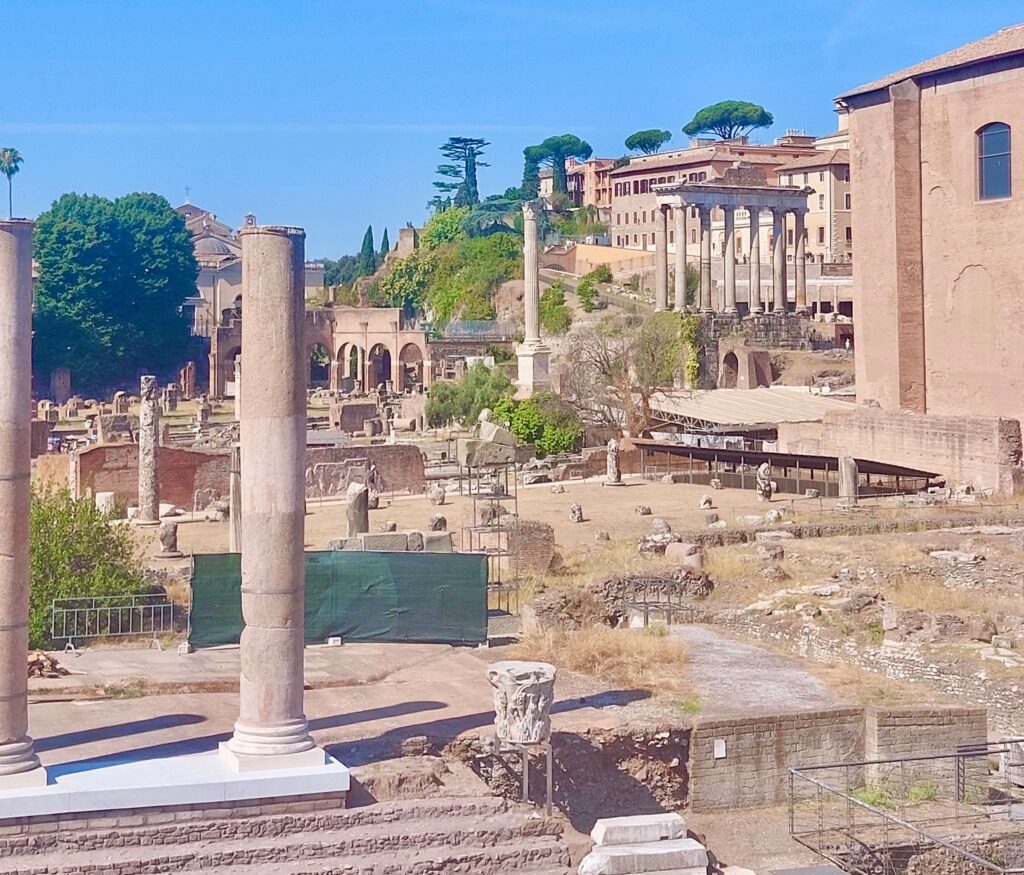
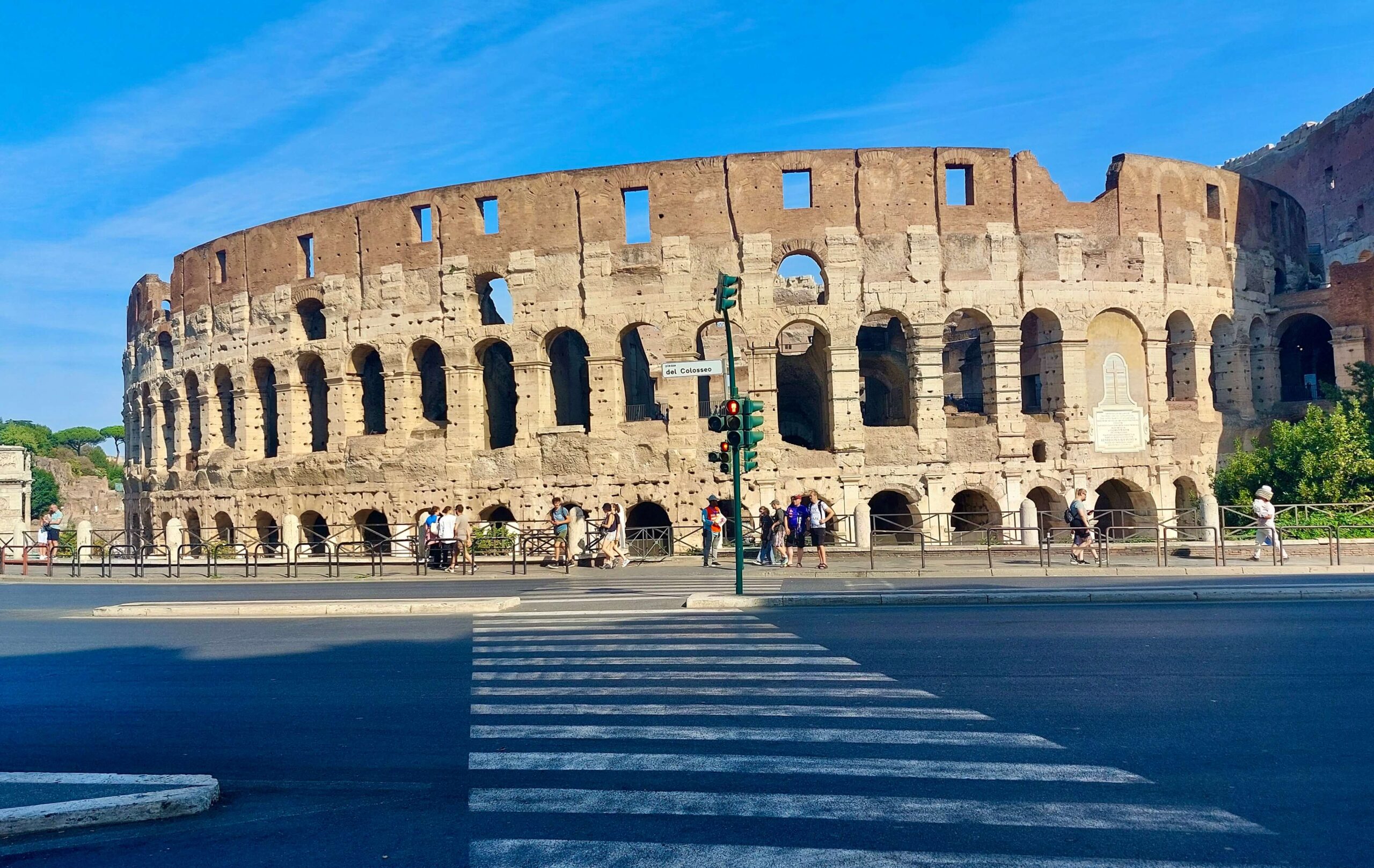
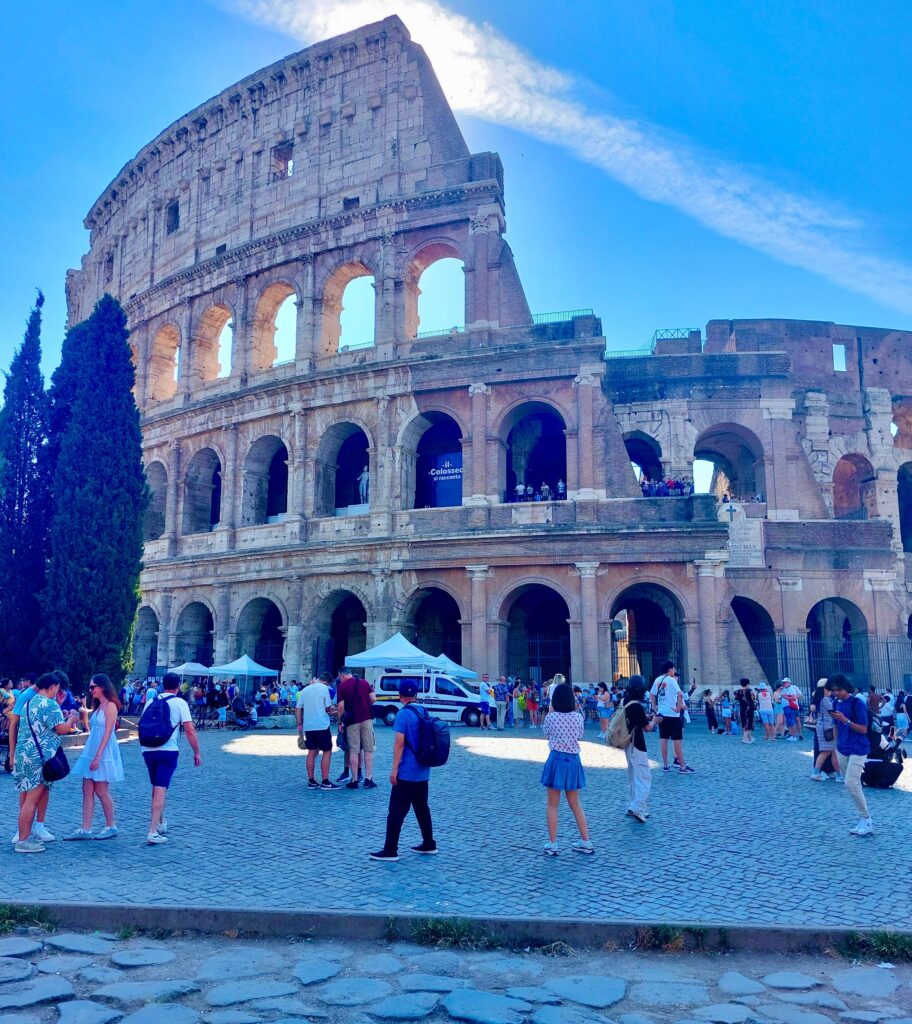
Start your day early at the Colosseum, one of the most iconic structures in the world. By early, I mean super early, as it is always crowded. To skip the long queues, buy your ticket online in advance if you plan to go inside.
Your Colosseum ticket also includes entry to the Roman Forum, which is located right next door. Spend your morning exploring these ancient ruins, imagining what life was like during the Roman Empire. Or book it with GetYourGuide here.
Visit the Pantheon and Piazza Navona
After the Colosseum, take a stroll to the Pantheon, one of the best-preserved monuments from Ancient Rome. The Pantheon, with its stunning dome, is a marvel of ancient engineering. The entrance fee to the Pantheon in Rome is €5 for adults over 25, €3 for those aged 18 to 25, and it’s free for children under 18 and Rome residents. Keep in mind, though, that even children and residents need an entry ticket. Get your skip-the-line ticket here.
From the Pantheon, walk over to Piazza Navona, one of Rome’s most famous squares. Take in the beautiful fountains and Baroque architecture while enjoying gelato from a nearby shop.
Afternoon: Trevi Fountain and Spanish Steps
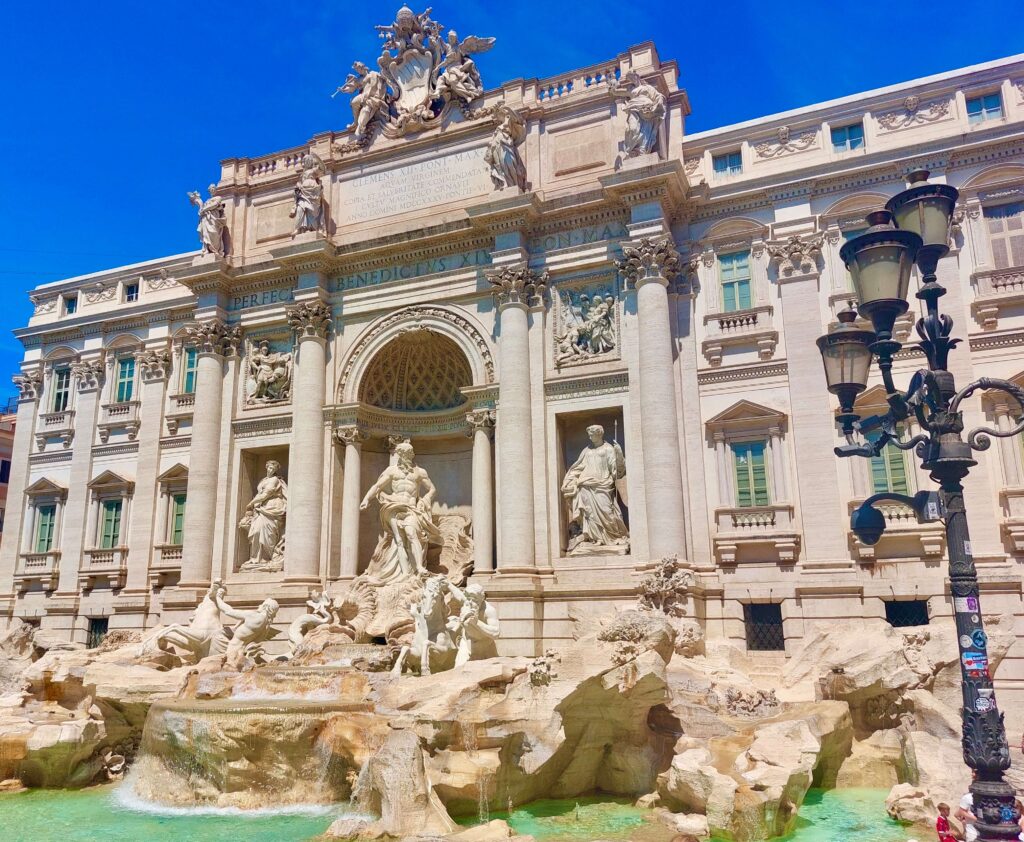
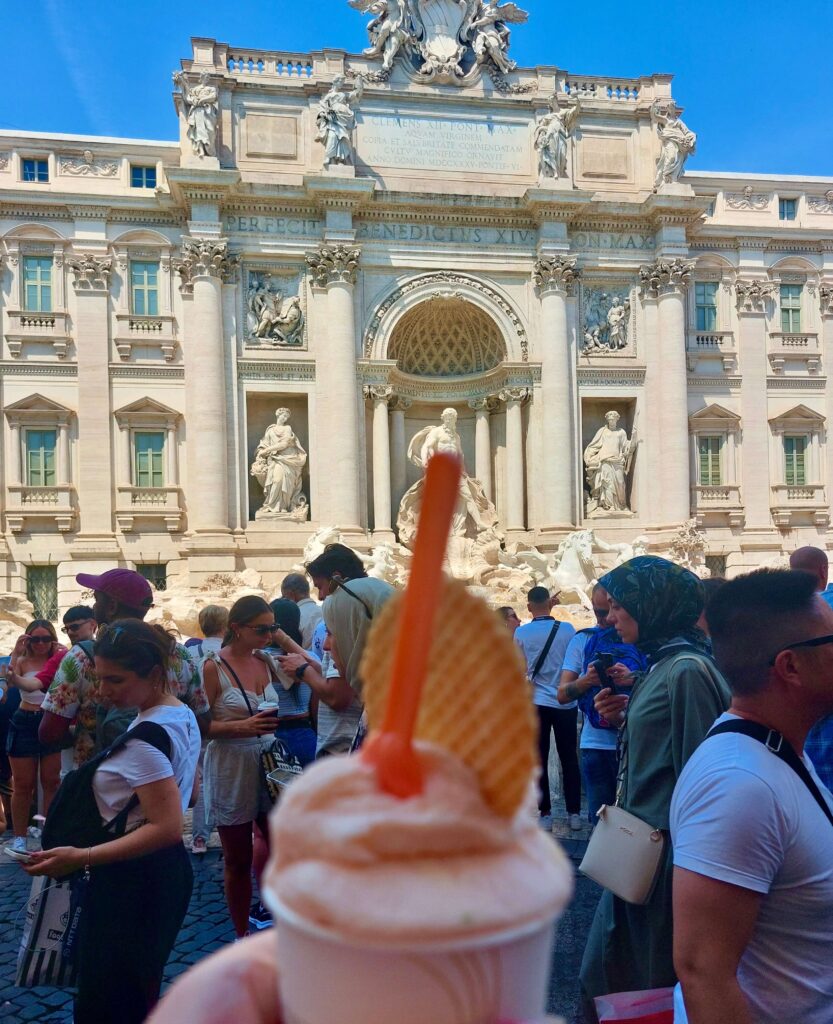
Next, head to the Trevi Fountain, a Baroque masterpiece and one of Rome’s most popular attractions. Don’t forget to toss a coin into the fountain to ensure your return to Rome.
After visiting the Trevi Fountain, make your way to the Spanish Steps, another must-see landmark. Climb to the top of the steps for a beautiful view of the city.
Vatican City
If you still have energy left, consider making your way to Vatican City, home to St. Peter’s Basilica and the Vatican Museums, where you can see the Sistine Chapel. Keep in mind that the Vatican is huge, and you may want to dedicate a full day here if you’re staying longer than 24 hours.
Hidden Gems in Rome (If you have extra time)
While Rome’s major attractions are unmissable, the city is filled with lesser-known treasures that offer a quieter, more intimate experience:
The Aventine Keyhole
A tiny keyhole that frames a perfect view of St. Peter’s Basilica. Quick stop, beautiful photo, and peaceful compared to the main attractions.
Quartiere Coppedè
A small, whimsical neighborhood with unusual architecture—Art Nouveau mixed with fantasy-like details. Very quiet and great for photos.
Basilica of San Clemente
Above ground, you’ll find a beautiful 12th-century basilica, but descending through its depths reveals older treasures, including a 4th-century basilica and, further below, a 1st-century Mithraic temple. A unique way to see Rome’s history in one building.
Best Time to Visit Rome
Rome is a year-round destination, but your experience can vary greatly depending on when you visit.
Spring (April to June). This is the best time to visit for pleasant weather, blooming flowers, and outdoor dining. However, it’s also one of the busiest times, so expect larger crowds.
Fall (September to November). Another ideal period, fall offers mild temperatures, fewer tourists, and more affordable accommodation options compared to summer.
Winter (December to February). If you prefer lower prices and quiet streets, visit during winter. Although chilly, you’ll enjoy fewer tourists at major sites. The festive Christmas atmosphere adds charm to the city.
Summer (July and August). Avoid visiting in summer if possible, as temperatures soar, and the city gets crowded. Many locals go on vacation, and some businesses close, but you can find discounted hotel rates during this period.
How to Get Around Rome
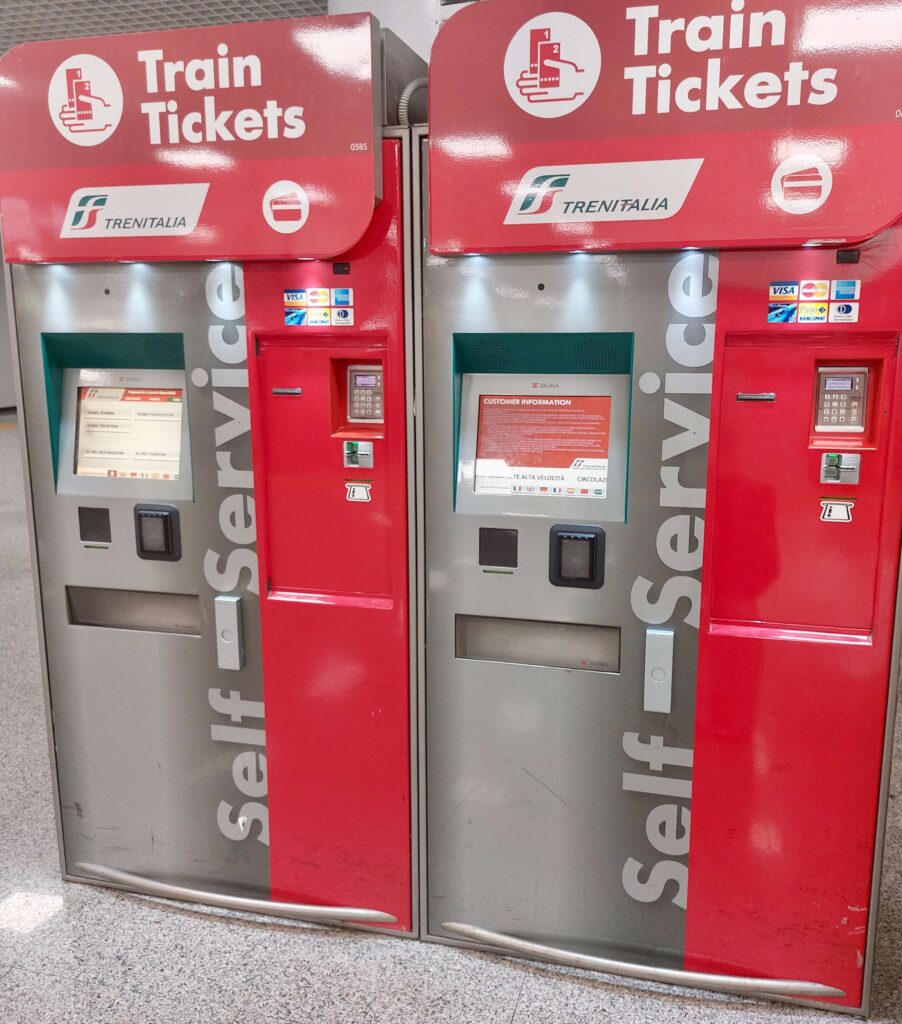
Rome is a sprawling city, and getting around efficiently is key to maximizing your time, especially if you’re only there for 24-48 hours. I’ve been in Rome for a day, and I pretty much walked everywhere (as I stayed in the area close to all the touristy sights) except once when I had to take an Uber as it was very hot outside. Here’s how to make the most of Rome’s transportation system.
- Walk as Much as Possible
Rome is best explored on foot. Many of the city’s most famous landmarks, like the Colosseum, the Pantheon, and Piazza Navona, are within walking distance of each other. Walking saves you money and allows you to take in the beauty of the city’s winding streets and hidden corners.
- Use Public Transportation
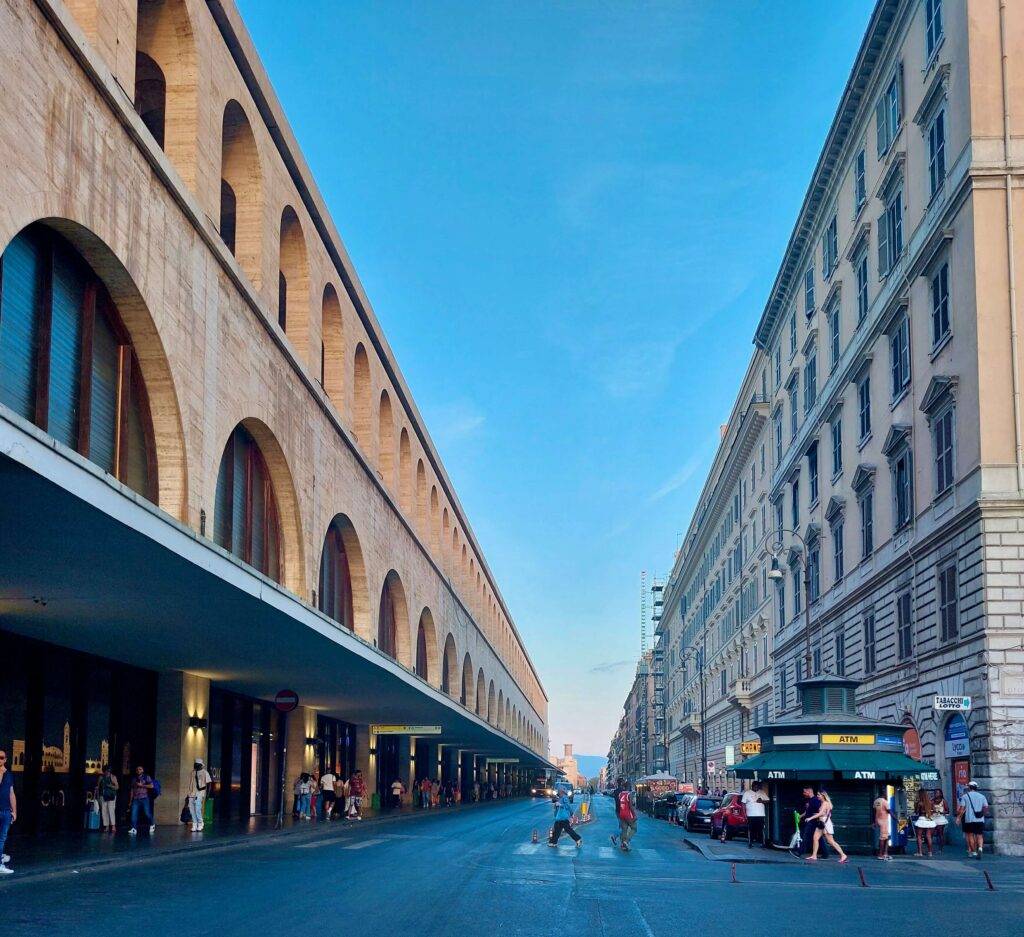
For longer distances, Rome’s public transportation is cheap and simple to use. The metro is the fastest option, with three lines (A, B, and C) connecting most major sights. A single ticket costs $1.66 and is valid for 100 minutes, covering metro, buses, and trams.
You can buy tickets at kiosks in the airport, Termini Station, or any metro stop. Termini is the main transportation hub and a convenient area to stay because it’s central and well-connected.
Tip: Take the train/metro from the airport instead of a taxi to save money.
Buses are another option and run frequently, but they can be slower during traffic. Tickets are available at newsstands and metro stations.
If you plan to use public transport several times in one day, get the Roma 24-Hour Pass ($7.73) for unlimited rides.
- Avoid Taxis
Taxis in Rome can be expensive and are often not necessary, especially with such a good public transport network. If you do need to take one, make sure to use official white taxis with a meter and avoid any unlicensed cabs. Or simply get an Uber.
Where to Stay in Rome
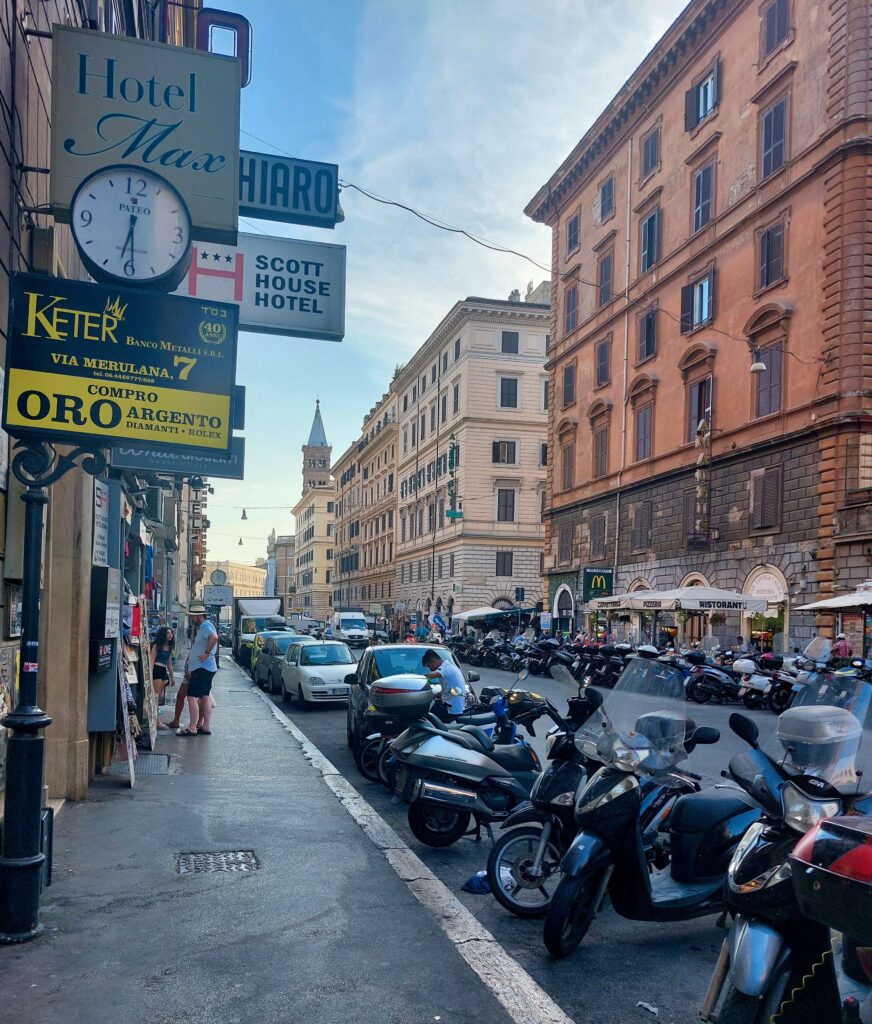
Finding budget accommodation in Rome can be challenging, but there are a few gems that offer comfort and convenience without breaking the bank. Here are the best options for a budget and mid-range stay in Rome.
Where to Eat in Rome

Italian cuisine is world-famous, but you don’t have to splurge to enjoy Rome’s incredible food. Here are a few spots that offer delicious meals without the hefty price tag.
La Prosciuterria Trevi
Located close to the Trevi Fountain, this deli-style eatery is perfect for a quick bite. Grab a sandwich filled with fresh Italian ingredients like prosciutto, mozzarella, and truffle spreads. The casual ambiance and affordable prices make it a great stop for lunch.
Pizzeria da Baffetto
If you’re craving pizza, Pizzeria da Baffetto is one of the best places to enjoy authentic Roman-style pizza without spending a fortune. Located near Piazza Navona, it’s a popular spot for both locals and tourists.
Trapizzino Testaccio
A street food gem, Trapizzino specializes in a unique sandwich-like creation filled with traditional Roman flavors like meatballs or eggplant parmigiana. Affordable, quick, and delicious, it’s perfect for a snack or a casual meal on the go.
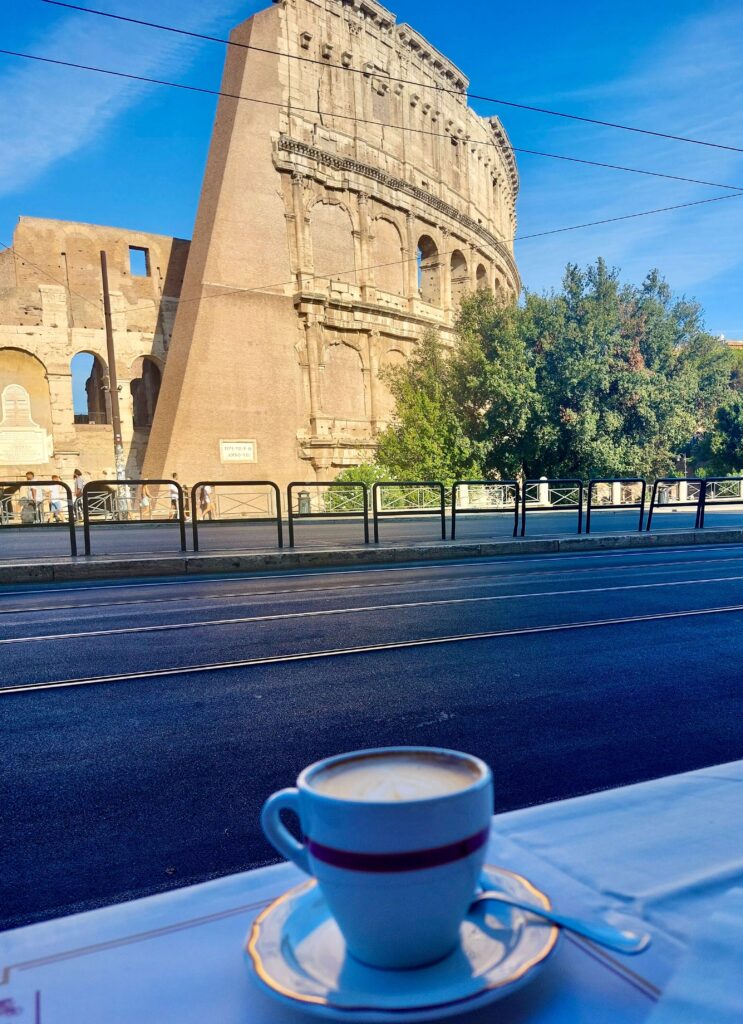
If you’re heading to the Colosseum and want a great photo spot, Café Martini has an amazing view. But the food isn’t worth it. My latte was fine, but the avocado toast was bland, overly thick, and fried to the point of being hard to eat. They also only serve bottled water (extra cost), although they do have free Wi-Fi.
|How to plan a first trip to Europe
|How to spend 1 day in Budapest
|How to spend 1 day in Amsterdam
Safety Tips for Solo Travelers in Rome
Rome is generally a safe city, but like any major tourist destination, it’s important to stay vigilant, especially when traveling solo. There are so many sketchy people in some areas, so always be on the lookout. Here are some tips to keep in mind.
- Watch for Pickpockets
Pickpocketing is common in crowded areas like Termini Station, the Colosseum, and public transportation. Keep your valuables in a secure, zipped bag, and most importantly, stay mindful of your surroundings, especially in crowded tourist spots.
- Stay in Well-Lit Areas at Night
While Rome is relatively safe, it’s still wise to stick to well-lit, busy areas at night, particularly if you’re traveling alone. Avoid walking down narrow, empty streets late at night and opt for more populated areas.
- Use Public Wi-Fi Cautiously
Many cafes and public areas in Rome offer free Wi-Fi, but it’s important to be cautious when using public networks. Avoid accessing sensitive information (like banking apps) on unsecured networks, and consider using a VPN for added security.
- Keep Emergency Numbers Handy
In case of any emergencies, it’s good to have important numbers on hand. In Italy, the general emergency number is 112, and you can also dial 113 for the police.
- Don’t Accept Unsolicited Help
At tourist-heavy sites like the Vatican or the Colosseum, you’ll often encounter individuals offering ‘help’ with tickets or directions. Politely decline, as these can sometimes be scams. Stick to official personnel or use apps like Google Maps to navigate.
Money-Saving Tips in Rome
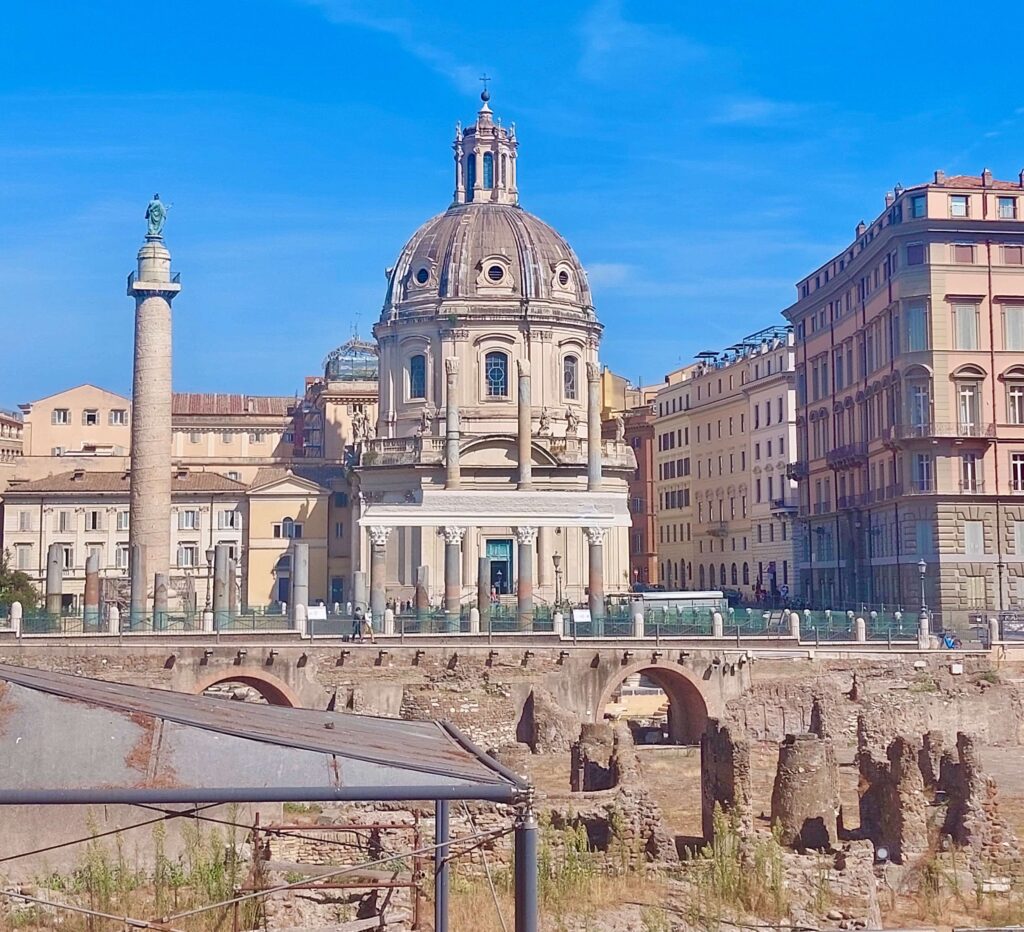
- Walk whenever possible — most major sights are close together, and you’ll save a lot on taxis and Ubers.
- Take advantage of Free Museum Sunday — state museums are free on the first Sunday of every month.
- Use the public water fountains (nasoni) — Rome’s tap water is safe and delicious. Bring a reusable bottle and refill for free.
- Visit free attractions — St. Peter’s Basilica, Piazza Navona, the Pantheon exterior, Trevi Fountain, and the Spanish Steps won’t cost you a euro.
- Eat outside tourist zones — step a few streets away from major landmarks for tastier, cheaper meals.
Rome Trip Costs For 1 Day
- Flights: $236 (one-way ticket from Chicago in August,2024)
- Food: $30
- Accommodation: Hostel: $58.55 per night
- Transport: $2-3
- Attractions: $0 – $20 (1 entrance fee)
Total (without the ticket price): ~$110
Rome FAQ
What is the best time to visit Rome?
The best time to visit Rome is April – June and September – October, when the weather is pleasant, and crowds are smaller. Summer is very hot and busy, while winter is mild and less crowded.
How many days do you need in Rome?
Most travelers spend 3–4 days in Rome to see major highlights like the Colosseum, Vatican Museums, Trevi Fountain, Trastevere, and more. If you want a slower pace or day trips, plan 5–6 days.
Is Rome safe for tourists?
Yes, Rome is generally safe. The biggest issue is pickpocketing, especially around Termini Station, buses, and crowded attractions. Keep your valuables secure and stay aware in crowded places.
What are the must-see attractions in Rome?
Colosseum & Roman Forum, Vatican Museums & Sistine Chapel, St. Peter’s Basilica, Trevi Fountain, Pantheon, Piazza Navona, Trastevere
Is it easy to get around Rome?
Yes, Rome is very walkable, and most attractions are close to each other. For longer distances, use the metro, buses, or trams. Taxis and Uber are available but more expensive.
Final Thoughts
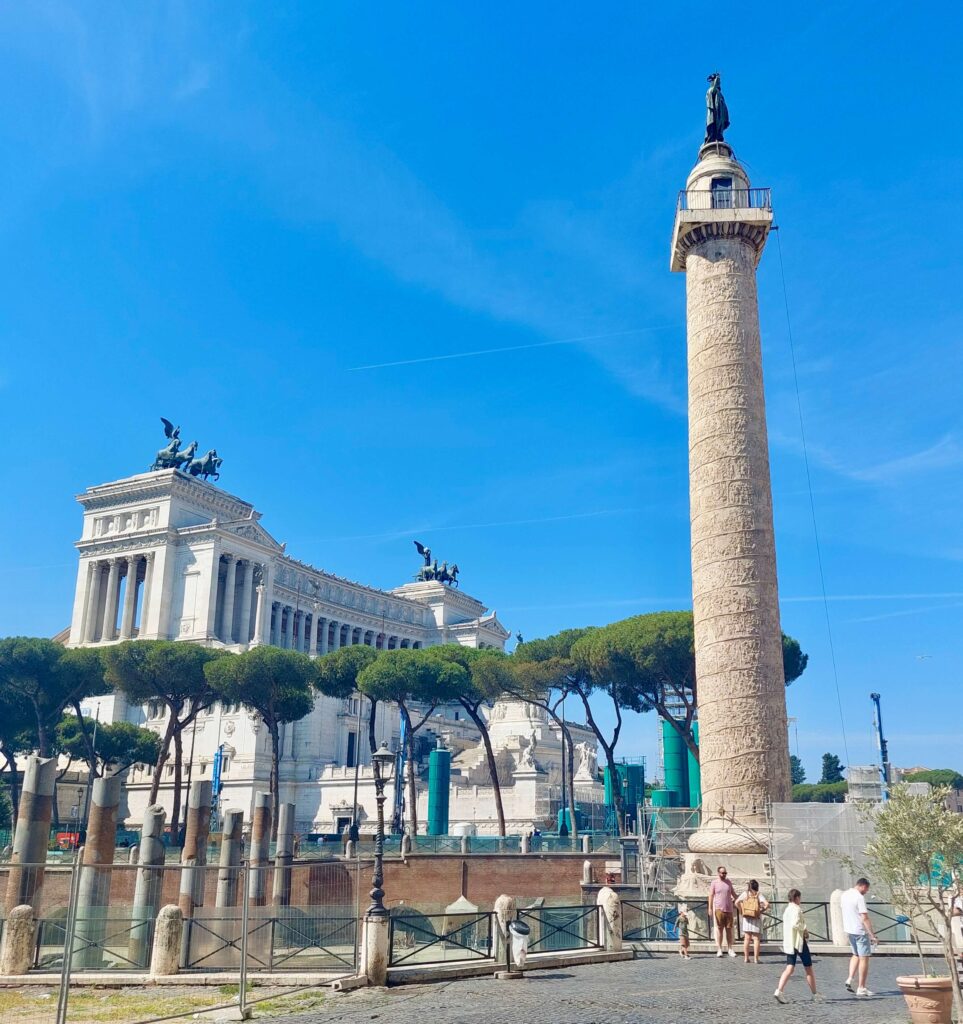
Rome is a city that offers something for everyone, whether you’re a history buff, a foodie, or an art lover. Even with just 24-48 hours, you can still experience the magic of this ancient city without rushing through it. By staying in budget-friendly accommodation, prioritizing key sites, and using these practical tips, you’ll leave Rome with unforgettable memories and a desire to return.
Pin it for later

Travel Resources & Accommodation
- Find the best flight deals on Skyscanner and Kiwi
- Book travel packages on Expedia
- Book hostels worldwide on Hostelworld
- Book hotels worldwide on Hotels.com
- Discover and book affordable tours on GetYourGuide