Ultimate Guide to Traveling Solo in Singapore on a Budget

💡 This post might contain affiliate links. If you use any of these links to buy a product, I will earn a small commission at no additional cost to you. Read my full disclosure for more details.
|Updated on August 8, 2026|
Traveling solo in Singapore on a budget might sound intimidating at first. It did to me, too. I worried it would be unsafe and expensive, but that couldn’t have been more wrong.
I’d always wanted to explore Asia, and Singapore kept calling my name. After some research, I realized it’s one of the safest and easiest places for solo travelers, even on a budget. So for my birthday, I booked the trip and went for it.
Between long flights, airport naps, and a very tight budget, the experience turned into one of the most memorable trips of my life. And yes—watching Crazy Rich Asians may have helped push me to go finally. Sometimes inspiration comes from unexpected places.
⭐Before You Go – Things to Know⭐
- It’s hot & humid all year (28–32°C) – pack light breathable clothes, comfortable shoes, a small umbrella
- Do NOT chew gum – it’s banned (fine up to $1,000); no eating/drinking on MRT either
- Cards accepted everywhere – but carry some SGD cash for hawker centres and small stalls
- Tap water is safe – drink freely and refill your bottle
- Grab app is essential – cheap rides, food delivery, English-friendly
- Visa-free for most (90 days) – check your country; arrival card online now
My Singapore Travel Itinerary (First-Time Visit)
Singapore is easy to explore on foot, especially if you group sights by area. Here’s how my days naturally flowed, starting with the most walkable spots and ending with neighborhoods best enjoyed in the evening.
Morning: Marina Bay Area

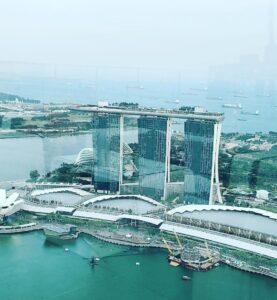
Start your day in Marina Bay, where many of Singapore’s top landmarks are within walking distance.
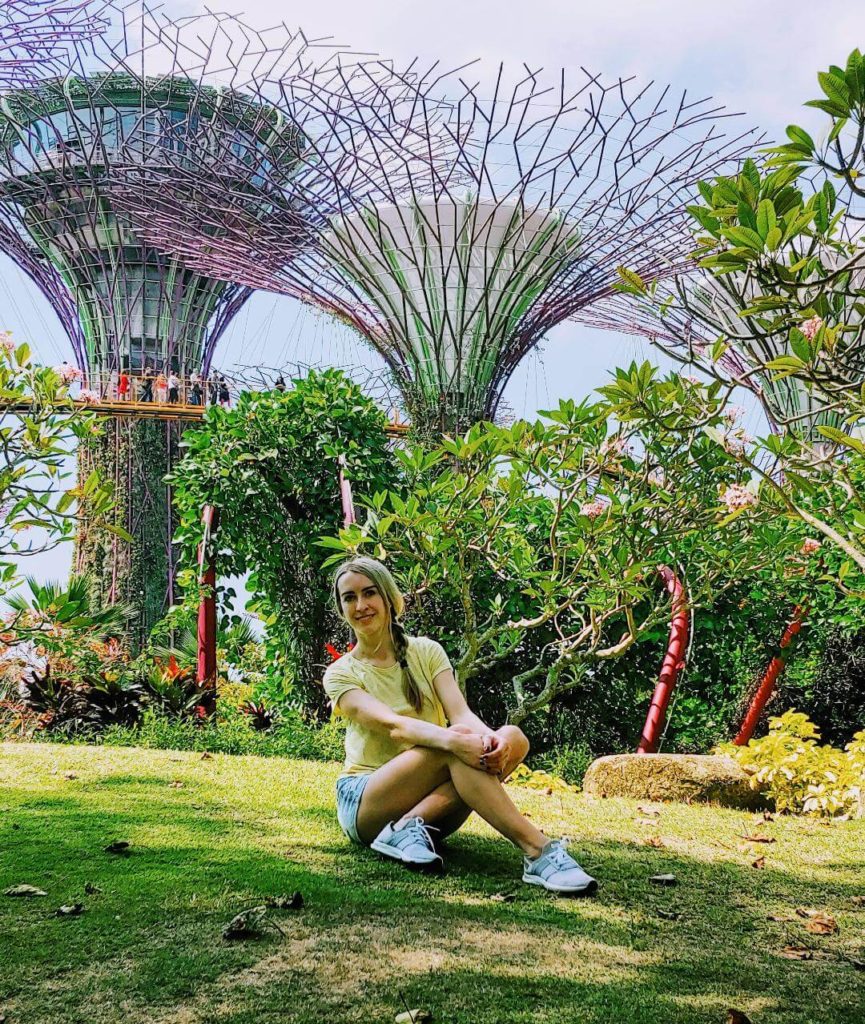
- Gardens by the Bay. One of the first places I visited. The futuristic design and Supertree Grove are impressive, even if you only explore the outdoor areas.
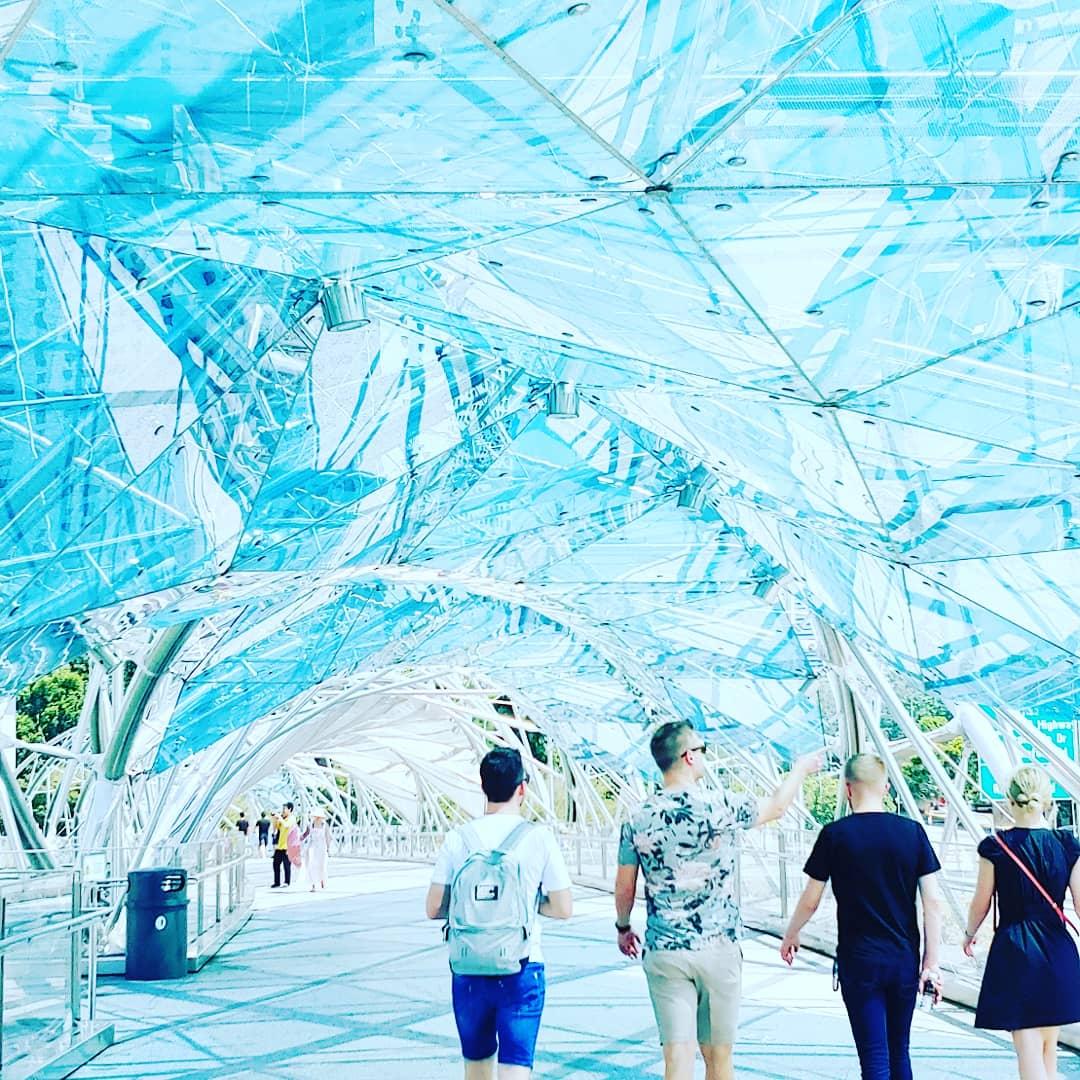
- Helix Bridge. Walk across the bridge for great views of Marina Bay and the skyline.
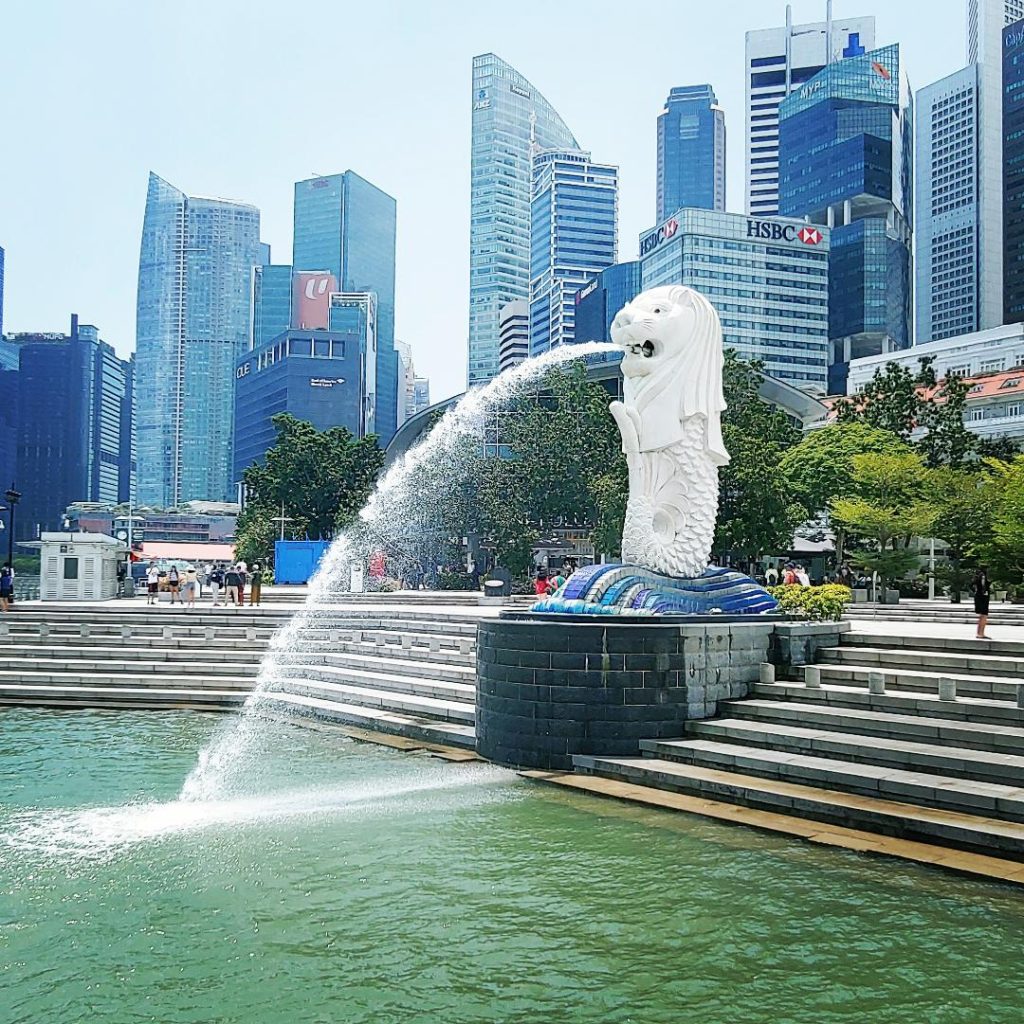
- Merlion Park. A quick stop nearby and one of Singapore’s most recognizable landmarks.
I also joined a free walking tour around this area, which was informative and fun. These tours need to be booked online in advance, as spots are limited.
Midday: Marina Bay Sands & Surroundings
- Marina Bay Sands Observation Deck. I went up to the rooftop for panoramic city views. The entry fee was applied as credit toward purchases, which made it feel more worthwhile.
- Art Science Museum. Located right next to Marina Bay Sands, and easy to combine with the area.
- Suntec City. A good stop for lunch, air-conditioning, and a short break from sightseeing.
Afternoon: Sentosa Island
From Marina Bay, I took the cable car to Sentosa Island. The ride itself offers beautiful views of the city and harbor. Sentosa is more time-consuming, so it works best in the afternoon if you’re not rushing.
Evening: Rooftop Views & Night Show
- Marina Bay Light & Water Show. Completely free and absolutely worth seeing. It reminded me of the Las Vegas fountain show.
- Rooftop Bars. I visited Altitude Rooftop Bar (which has been closed since 2022), where the entry fee included drinks. Rooftop bars are some of the best places to see Singapore at night and are among the top things to do in the city.
Another Day: Chinatown & Local Food
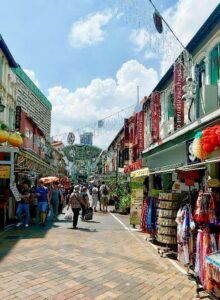
- Chinatown. One of my favorite areas. It’s walkable, full of character, and great for budget food. *You will need cash for souvenirs.
- Hawker Chan. I tried their Michelin-recognized meal for about $6. It wasn’t life-changing, but it was a fun experience. Tip: go for the soy sauce noodles instead of rice.
Singapore felt very safe and clean throughout my stay, which made it an ideal destination for solo travel.
Things You Must Do and See in Singapore (by area)
Marina Bay & Downtown – Best for first-time visitors and great views
- Gardens by the Bay
- Marina Bay Sands Observation Deck
- Merlion Park
- ArtScience Museum
- Helix Bridge
- Marina Bay Light & Water Show
Sentosa & Attractions – Perfect if you want theme parks or nature
- Sentosa Island Cable Car Ride
- Singapore Zoo
- Bird Paradise (Singapore Bird Park)
Neighborhoods & City Life – See Singapore’s everyday side through its most popular areas for food, nightlife, and shopping.
- Chinatown
- Clarke Quay (restaurants & nightlife)
- Orchard Road (shopping)
- Hop-on Hop-off Bus Tour
Planning a Trip to Singapore
Here is the list of things to do/have before going to Singapore.
Travel Documents
-
Valid passport (at least 6 months left before expiry).
-
Visa (if required for your nationality). *Getting my Singapore travel visa at that time was simple. As a Russian citizen, I applied online, paid $22 (2019), and got approval within 5 days.
-
Printed/digital return flight ticket (sometimes immigration agents can ask for the proof).
-
Proof of accommodation (hotel booking or address of where you’ll stay).
Budget Planning
-
Decide daily budget
-
Factor in accommodation, food (hawker centers are cheap), transport, attractions, and shopping. (*see more cost details at the end of this post)
Accommodation
-
Book hotels/hostels early (Singapore can be pricey). *Stick to hostels to save money.
-
Areas to consider:
** Marina Bay (luxury & iconic views)
** Orchard Road (shopping)
** Chinatown/Little India (budget & cultural vibe).
Transportation
-
Get an EZ-Link card or use a contactless credit card for MRT/buses.
-
Wear comfortable walking shoes. You’ll walk a lot between attractions.
Plan your itinerary
-
Add cultural stops (temples, heritage neighborhoods).
-
Balance indoor (museums, malls) and outdoor (parks, night safari) activities.
Weather Prep
-
Lightweight clothes (hot & humid year-round).
-
Umbrella/rain jacket (frequent short showers).
-
Sunscreen, hat, and comfortable shoes.
Health and Safety
-
No vaccinations are mandatory, but check if you need any before travel.
-
Singapore is very safe, but follow rules (strict fines for littering, smoking in restricted areas, etc.).
-
Travel insurance is highly recommended.
Tech and Connectivity
-
Buy a local SIM card or eSIM for cheap data.
-
Free Wi-Fi in many malls, MRT stations, and Changi Airport.
-
Google Maps & Citymapper are helpful for navigation.
Money Matters
-
Currency: Singapore Dollar (SGD).
-
Credit/debit cards are widely accepted, but carry some cash for hawker centers and small shops.
-
ATMs are everywhere.
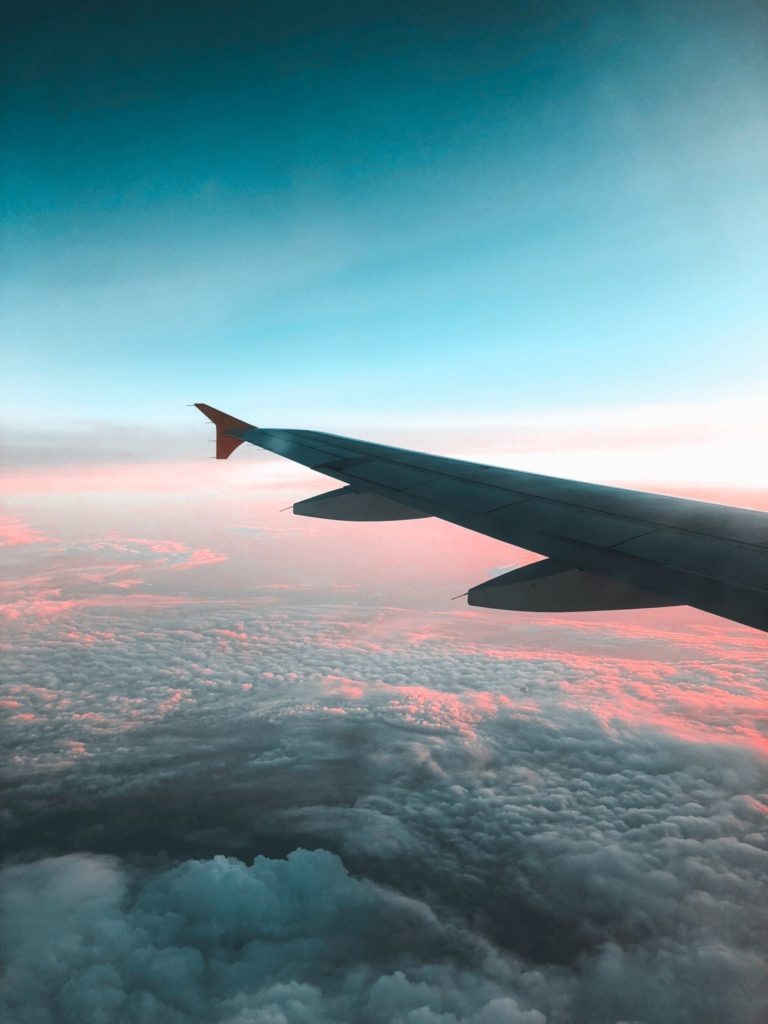
My whole journey took around 15 hours, including a 4-hour layover in Shanghai and a subsequent 5 to 6-hour flight to Singapore, totaling about 20 hours in the air. Despite the long trip, the experience was worth it.
What Airline I Flew and How Much I Paid for Tickets to Singapore
I flew with China Eastern because they offered the lowest prices. Despite the many negative reviews, I found the experience to be acceptable. The tickets for the entire trip cost me $600 round-trip (2019), which was super cheap.
When booking my flights, I realized that buying separate one-way tickets was much cheaper than purchasing a round-trip.
Instead of flying Chicago-Singapore-Chicago, I booked a one-way ticket from Chicago to Singapore and then a separate one-way ticket from Bangkok back to Chicago, since I planned to visit Thailand after Singapore. This simple trick saved me a good amount of money and gave me more flexibility for my trip.
Did I like Singapore?
100% YES!
Singapore is a vibrant city with a fascinating history. Just a decade ago, it was relatively underdeveloped for tourists, but now it’s one of the coolest destinations, attracting visitors from all over the world. I would love to come back one day again.
I stayed at a hostel on Beach Street, which offered the lowest price I found for a 4-day stay, costing around $100. The hostel was decent, but the location was incredibly convenient. I highly recommend staying in that area.
I walked a lot during my stay and occasionally took a taxi. While Singapore doesn’t have Uber, they do have Grab, which is similar and very convenient.
If you’re short on time, a Singapore travel itinerary for 2-3 days is enough to see the main highlights.
|Ultimate Bangkok travel guide
|How to backpack SE Asia alone
|Thailand travel tips
How to Save Money in Singapore
-
Opt for Eating at Hawker Centers Instead of Restaurants
Instead of dining at pricey restaurants, opt for hawker centers. These food courts offer a variety of local dishes at affordable prices. You’ll find numerous stalls with food. Look for stalls with an A rating for the best quality food. Eating at hawker centers not only saves money but also lets you experience authentic local flavors.
Check out this list of the top food places in Singapore.
-
Use Public Transportation Instead of Taxis
* MRT (Subway). Use the MRT with an EZ-Link card to save on transport. Single-trip tickets range from $1.10 to $1.90. For frequent travel, purchase an EZ-Link card, available at 7-Eleven stores for ~$7.40 or at MRT customer service counters for ~$12 (with a $5 non-refundable deposit). Load the card with money, and use it for both buses and the metro.* Buses. Tickets can be bought on the bus (exact cash only) or at stations. Alternatively, use your EZ-Link card by tapping it when boarding. Bus fares are between $1 and $2 per person, depending on the distance.
-
Tipping Is Not Required
In Singapore, tipping is not customary. Some places may include a service charge in your bill automatically, usually between 7% and 10%. Look for “++” symbols on your check/bill to identify these charges.
- Avoid Fines in Singapore
* Dispose of Litter Properly: Always make sure to put your trash in the appropriate bins.
* Avoid Spitting on the Street: This behavior is prohibited and could result in fines.
* Smoke Only in Designated Areas: You are allowed to smoke only in specific spots.
* No Eating on Public Transport: Eating is not allowed on trains and buses.
* Chewing Gum is Prohibited: Bringing gum into Singapore is not permitted.
* No Durian on Public Transport: The durian fruit is banned on public transport because of its strong odor.
* Cross Streets at Designated Crossings: Always utilize the pedestrian crossings.
* Maintain Cleanliness: Never urinate in public elevators and always remember to flush the toilet.
* Steer Clear of Drugs and Vandalism: There are strict regulations against drug use and vandalism that are actively enforced.
-
Carry a Reusable Water Bottle
Always bring an empty water bottle and fill it with tap water. Singapore’s tap water is safe to drink, and this simple habit will save you money on bottled water.
-
Opt for Hostels Over Hotels
Choose hostels instead of hotels to save money. Stay in a centrally located hostel near major attractions so you can walk rather than spend on transport.
-
Take Advantage of Free Attractions
Singapore offers many free experiences, such as walking tours, entry to some main sights, and free concerts. Do some research to find out what’s available before spending money.
These travel tips for Singapore helped me stick to my budget.
Singapore Trip Cost Per Day
Here’s a summary of costs you might encounter during your trip to Singapore.
Overall, your daily expenses will vary based on your activities and preferences. I managed to travel on a budget and spent less per day, so it’s possible to keep costs down while enjoying Singapore. On average, you can expect your Singapore travel cost to be $50–120 per day, or less if you are frugal.
Singapore FAQ
Is Singapore expensive to visit?
Yes, Singapore can be expensive compared to other Southeast Asian destinations, but you can visit on a budget. Public transport is affordable, hawker centers offer cheap meals, and many attractions are free or low-cost.
How many days do you need in Singapore?
Most travelers need 3–4 days to see the main highlights of Singapore, including neighborhoods, food spots, and top attractions. If you want a slower pace or day trips, 5 days is ideal.
Do you need a visa to visit Singapore?
Many nationalities can enter Singapore visa-free for short stays, usually 30–90 days. Visa rules depend on your passport, so always check official requirements before traveling.
Is Singapore safe for tourists?
Yes, Singapore is one of the safest cities in the world. Crime rates are very low, public transport is safe, and strict laws help maintain order. Just follow local rules and common sense.
What is the best time to visit Singapore?
Singapore is hot and humid year-round, but the best time to visit is from February to April, when rainfall is lower. December and January are wetter but still popular.
Final Thoughts
In conclusion, my Singapore itinerary was incredibly exciting, and I would love to return someday to explore even more. Singapore is a fantastic destination for tourists, offering a welcoming and vibrant atmosphere with countless things to see and do throughout the year.
Whether you’re visiting for 3-4 days or longer, Singapore has something for everyone.
I hope this Singapore travel guide has provided you with valuable insights on how to travel to Singapore on a budget and that it helps you plan your memorable trip.
Save this for later
Travel Resources & Accommodation
- Find the best flight deals on Skyscanner and Kiwi
- Book travel packages on Expedia
- Book hostels worldwide on Hostelworld
- Book hotels worldwide on Hotels.com
- Discover and book affordable tours on GetYourGuide